 Spanish
The Spanish Explorer Blog
Tips, guides and insights to fuel your passion for learning Spanish, from everyday grammar to business fluency and career growth for adult learners in Singapore.
Book a Trial ClassSpanish Learning Guides and Insights
Fresh reads from our teaching team, covering practical techniques, business communication and the culture that makes Spanish worth learning. 119 articles and counting.

Singapore Travel Spanish Costs: S$45 Trials and Real SGD Fees
Singapore-first pricing to get travel-ready in Spanish. Compare S$45 trial classes, group packages in the low hundreds, and private plans up to…

Register on Dec 1, 2025: DELE 2026 Dates in Singapore
Singapore candidates: registration opens Dec 1, 2025. Get the DELE 2026 calendar, session-level availability, registration steps, timeline, and local prep...

S$25 to S$60 Private Lessons: Spanish Fees for Adults in Singapore
Compare adult Spanish course costs in Singapore. See S$25 to S$60 private rates, S$35 to S$600 course ranges, an itemized quote checklist…
SGD 255–460: Centre Verified DELE Exam Fees in Singapore
Most adult DELE candidates in Singapore pay SGD 255–460. Learn how to confirm centre prices, meet deadlines, and avoid registration and ID…

Singapore DELE Fees: Expect a Few Hundred SGD for the Exam
Check the current DELE exam fee in Singapore, learn realistic prep budgets and an 8–14 week pathway, plus mock exam timing and…

3 Safe Spanish Email Closings With RAE Rules and Ready Templates
Master the three safest Spanish email sign offs with RAE rules, a tone check checklist, and ready templates for learners and professionals.

ACTFL vs CEFR for Teachers & Assessors: Why Advanced Mid maps to B2
For educators: practical analysis of ACTFL and CEFR linking studies, when mappings hold, and how to report mapped scores.

Adults in Singapore: 350–600 Hours to B1 Spanish, Age Isn’t the Barrier
Research-backed plan for working adults in Singapore: how 350–600 guided hours and a weekly study rhythm take you to B1 conversational Spanish.

5 Mistakes Learners Make with Vosotros vs Ustedes and How to Fix Them
Master vosotros vs ustedes with RAE backed rules, a conjugation table, five common learner mistakes, and quick practice drills to use the…

Turn S$25–S$45/hr into a Weekend Spanish Budget in Singapore
Compare S$25–S$45/hr weekend Spanish classes in Singapore, learn how to turn hourly rates into a clear budget, and use a short checklist…

Spanish for Engineers: Build B1 First, Then 200–400 Technical Terms
Job focused plan for engineers: build everyday B1 conversation first, then add 200–400 verified technical terms. A 16–24 week study path with…

15–30 Minute Routine and Ready Phrases to Speak Conversational Spanish
A speaking first roadmap: ready phrases, a 15–30 minute daily routine, CEFR B1 targets, and when classroom or online lessons speed your…

S$30–S$120/hr: Online Private Spanish for Professionals in Singapore
Compare Singapore hourly rates for online private Spanish (S$30–S$120; most S$40–S$80). Convert those rates into sample monthly budgets and find the exact...

A1 in 8–12 Weeks: Spanish Course Timelines in Singapore
Clear timelines for Spanish in Singapore: 20–40 hours for intensives, 36–48 per term, and multi month paths to B1. Book a $45…

Pay S$27.50 per hour? Business Spanish Prices in Singapore
See real Singapore costs: S$350 to S$650 group packages, S$60 to S$120 private lessons, and a 20 hour S$550 example (S$27.50 per…

Avoid 300% Price Swings: Corporate Spanish RFP Checklist, Singapore
HR and procurement guide for Singapore: convert hourly and package rates into per-employee budgets, use an RFP checklist, and compare corporate Spanish...

Make Small Classes Work: 3 Shifts Parents & Educators Can Use
Research backed guide on when smaller classes boost learning and three teacher shifts parents and educators can use to capture those benefits.

Start Spanish in Singapore This Month: $45 Trial to Lock Your Seat
Find next Spanish course start dates in Singapore, compare fees and formats, and book a $45 trial to confirm your level and…

5 Sections HR Wants in a Corporate Spanish Training Proposal
Get an HR ready one page corporate Spanish training proposal with five required sections, transparent pricing, and a 12 weeks timeline.

10–12 Week Corporate Spanish Syllabus Ready to Copy
A trainer-ready corporate Spanish syllabus you can copy into an LMS: modules, assessments, a 10–12 week calendar, authentic materials, and instructor tips...

3 DELE Preparation Plans: 8 week, 10–14 week, or Multi Month Pathway
Start with a full timed diagnostic, then follow one of three timelines—8 week, 10–14 week, or multi month—to prioritize exam technique or…

Break Your B1 Spanish Plateau in 4–8 Weeks with a 15/30/15 Plan
Run a four-skill audit, use the 15/30/15 daily block, and track one weekly metric. See measurable B1→B2 gains in 4–8 weeks.

S$30–S$100: What Singapore Parents Pay for Kids’ Spanish
Compare kids' Spanish costs in Singapore—S$75–S$100 for private lessons, S$30–S$50 per group class, plus a checklist and a family-class option to consider.

Spanish for Logistics: 10 Ready Phrases That Prevent Costly Delays
Spanish vocabulary for logistics teams: core nouns, 10 ready shipment phrases, pronunciation tips, and study methods like Anki.

Spanish Business Culture: Win Deals with One 48 Hour Call for Visitors
Practical steps for visiting professionals: build confianza, respect hierarchy, use a 48 hour follow-up, and turn meetings and meals into signed deals.

Speak Spanish for Work in Singapore: Pair Classes with 2 Hours Weekly
Adults and professionals in Singapore: book a placement test, choose conversational or private Spanish classes, and add two hours weekly of speaking…

S$350–S$650/Month: Corporate Evening Spanish HR Budget for Singapore
HR budgeting for corporate Spanish in Singapore. Compare private rates (S$60–S$120/hr), evening groups (S$350–S$650/mo), and 20–40hr package costs and...

Speak Spanish in 12 Weeks: A Speaking First Plan for English Speakers
Speaking first: an evidence based 12 week plan for English speakers to reach conversational Spanish. Learn 500 common phrases, train your ear,…

Returners: Relearn Spanish Faster with a 20–30 Minute Daily Routine
Assess all four skills, use sentence-based practice for 20–30 minutes daily, and add one weekly speaking session to reactivate conversational Spanish faster.

8–12 Phrases Every Clinician Needs: Spanish for Healthcare Workers
Learn 8–12 clinical Spanish phrases to handle intake, pain checks, and basic discharge on shift. Includes course and Singapore options.

Spanish Podcasts With Transcripts and a Teacher Backed Two Week Plan
Curated Spanish podcasts that include transcripts and learner tools, plus a teacher-backed two-week plan and a 10–20 minute daily workflow to turn…

5 Point Checklist to Choose a Bilingual Spanish Teacher for Adults
Research backed benefits, classroom examples, and a five point checklist to choose a bilingual Spanish teacher for adult learners and teams.

DELE A2: Eight Week Exam Ready Plan and When to Use a Tutor
Follow an eight week exam focused study plan tied to official DELE A2 tasks. Includes timed mocks, section strategies, and clear guidance…

Per Hour Costs (S$25–S$45): Adult Group Spanish Classes in Singapore
Evening group Spanish classes in Singapore cost S$350–S$650/month (about S$25–S$45 per hour). Learn to convert fees into per hour and monthly budgets…

Real Quotes: How Business Spanish Fees in Singapore Break Down
Real Singapore quotes and hourly math for business Spanish: typical monthly and private rates, main cost drivers, and a short budget checklist.

A1 vs A2 Spanish for Adult Learners: Past Tense Shows You Are Ready
Compare A1 and A2 skill by skill for adult learners. Learn the clear A2 signal (using past tense), take a quick self…

$35–$600: Beginner Spanish Fees in Singapore, Plus a Local Trial Option
Compare beginner Spanish fees in Singapore with per hour examples from $35/hour to $600/month. Includes a local trial option at Spanish Explorer.

Clases Spanish: How to Pick the Right Course and Level
Discover how to choose the right Spanish classes for your goals, from conversation-focused to private lessons. Start your language journey today!

Effective Spanish Language Teaching for Adult Learners
Discover effective strategies for Spanish language teaching that enhance adult learners' speaking skills and retention through real-world tasks.

Online Spanish Classes Singapore Price: What to Expect in 2026
Discover the pricing options for online Spanish classes in Singapore in 2026. Choose what suits your goals and budget best!

Evening Spanish Class Fees in Singapore: What to Budget
Discover evening Spanish class fees in Singapore, from affordable group rates to private lessons, and find the best fit for your budget.

Getting a Spanish Course Certification in Singapore
Discover top Spanish course certifications in Singapore: DELE and SIELE, both recognized by employers and universities for your career advancement.

DELE Exam Dates in Singapore: 2026 Sessions and Deadlines
Discover the DELE exam dates in Singapore for 2026, including key registration deadlines and session details. Plan your preparation now!

Spanish vs Mandarin: Which Should You Learn First?
Deciding between Spanish and Mandarin? Discover which language offers the best travel, career, and personal benefits for you.
How to Say “Spanish Class” in Spanish (Plus How to Start One)
Learn how to say 'Spanish class' in Spanish and discover tips on starting your language journey. Book your trial lesson today!

30 Business Spanish Vocabulary Words Every Professional Needs
Master essential business Spanish vocabulary to boost your professional confidence and navigate meetings effectively with just 30 key words.

Spanish Email Etiquette: Rules, Templates, and Fixes
Master Spanish email etiquette with clear rules, templates, and tips for flawless business correspondence that makes a great impression.

Beginning Spanish Classes Near You: A Beginner’s Guide
Discover effective beginning Spanish classes near you. Try a trial lesson to boost your speaking confidence and find the perfect fit!

DELE B1 Speaking: What Every Candidate Must Know
Master the DELE B1 speaking test with expert tips on fluency and practice strategies to excel in all four tasks. Prepare for…

Native Spanish Teacher Rates in Singapore: What to Expect
Discover the range of native Spanish teacher rates in Singapore, including tips for finding the right lessons and affordable options.

Spanish for Sales: Fast, Role-Focused Training for Sellers
Unlock sales success with targeted Spanish training, boosting your confidence in conversations within 8–12 weeks. Request your trial now!

How to Teach Spanish: A Practical Playbook for Tutors
Discover effective strategies to teach Spanish with a practical lesson plan that promotes speaking and comprehension for adult learners.

Spanish for Customer Service: Essential Phrases and Scripts
Learn essential Spanish phrases for customer service that enhance communication and improve experiences with Spanish-speaking clients.

The Best Spanish Apps for Speaking, Grammar, and Vocab
Discover the best Spanish apps for improving your speaking, grammar, and vocabulary. Find the perfect tool for your learning goals today!

Spanish for Hospitality: Phrases Hotel and Restaurant Staff Need
Master essential Spanish phrases for hospitality staff to enhance guest experiences. Quick references for success while on shift.

The Best Spanish Textbooks for Self-Study in 2026
Discover the best Spanish textbooks for self-study in 2026, featuring top picks like Madrigal's and Pimsleur for all learning styles.

Best Websites to Learn Spanish: Quick Picks by Goal
Discover the best websites to learn Spanish tailored to your goals. From structured courses to free resources, find your perfect match!

Best spanishworldgroup.com Alternatives for Adult Learners
Discover top spanishworldgroup.com alternatives for adult learners. Explore structured options like Spanish Explorer for faster speaking progress!

Best Fluenz.com Alternatives for Speaking-Focused Learners
Explore top fluenz.com alternatives for speaking-focused learners. Discover Pimsleur, Lingoda, Babbel, and Spanish Explorer for effective learning!

Top Fluenz Alternatives for Serious Adult Learners
Explore the best learn.fluenz.com alternatives for adults. Discover budget-friendly options like Babbel, Pimsleur, and Duolingo for effective language...

The Spanish Language: A Global Overview for Learners
Discover the Spanish language and its global reach. Learn how mastering Spanish can enhance career opportunities across various fields.

Best sglessons.com Alternatives for Adult Spanish Learners
Discover the best sglessons.com alternatives for learning Spanish. Explore structured schools, tutor marketplaces, and more to enhance your skills!

DELE Singapore: How to Register, Prepare, and Pass
Discover how to register, prepare, and succeed in the DELE Singapore exam. Get tips for choosing the right level and booking tests!

Language Exchange Programs: A Practical Guide for Adults
Discover what a language exchange program is and how it helps adults enhance their conversational skills and cultural understanding.

Spanish Reading Improvement Process for Adult Learners
Master the Spanish reading improvement process with five actionable steps. Boost your skills, enjoy daily reading, and track your progress!

Bilingual Language Education: A Guide for Adult Learners
Discover what bilingual language education is and how it helps adult learners achieve workplace fluency through real-world context.

Ten Spanish Words for Beginners: Learn and Say Them Now
Master ten Spanish words today with our quick guide. Perfect for beginners, these essentials help you navigate real conversations!

Spanish Language Onboarding Process for Professionals
Discover an effective Spanish language onboarding process that prepares professionals for success in weeks with tailored support and assessment.

Why Build Real-World Language Skills: Benefits for Adults
Discover why building real-world language skills enhances communication, boosts career adaptability, and sharpens your mind in daily life.
Language Schools and Professional Development: 2026 Guide
Discover the vital role of language schools in professional development and how structured language training drives career success.

Best Spanish Movies for Beginners: 2026 Guide
Discover the best Spanish movies for beginners in 2026! Learn with clear pronunciation and engaging stories that enhance your language skills.

Countries Where Spanish Is Spoken: A Global Guide
Discover the countries Spanish is spoken in, from Mexico to Spain. Explore the global reach of this vibrant language with millions of…

Spanish Study Guide Singapore: Top Adult Courses 2026
Discover the ultimate Spanish study guide Singapore for adults. Explore top courses in 2026 and find the perfect fit for your learning…

Expatriate Language Training: What It Is and Why It Works
Discover what expatriate language training is and how it enhances communication skills for professionals relocating abroad. Learn more!

What Is Corporate Language Upskilling? A 2026 Guide
Discover what corporate language upskilling means and how it enhances communication skills for better business outcomes in 2026.

How to Organize Spanish Workshops: A 2026 Guide
Learn how to organize Spanish workshops effectively in 2026. Enhance engagement, structure sessions, and create memorable learning experiences.

Why Companies Invest in Language Learning: 2026 Guide
Discover why companies invest in language learning. Learn how it boosts retention, enhances cross-cultural communication, and drives growth.

Explaining Language Fluency Levels: A Clear 2026 Guide
Explore our clear 2026 guide on explaining language fluency levels. Understand CEFR stages to enhance your language learning journey!

Benefits of Cultural Training for Professionals in 2026
Discover the benefits of cultural training for professionals in 2026. Enhance performance, boost teamwork, and avoid costly misunderstandings.
The Role of International Spanish Standards Explained
Discover the role of international Spanish standards in shaping language learning, assessment, and professional success across the globe.

The Importance of Structured Language Courses for Adults
Discover the importance of structured language courses for adults. Enhance your fluency and communication skills with a proven curriculum.

Learn Spanish From the Beginning: A Beginner’s Guide
Discover how to learn Spanish from the beginning! Master conversation skills and reach A1 level with effective daily practice and clear goals.

The Role of Practice in Language Acquisition: 2026 Guide
Discover the crucial role of practice in language acquisition. Transform your Spanish skills from knowledge to fluent speech in this 2026 guide.

Advantages of Bilingualism: Your 2026 Career and Life Guide
Unlock career potential with the advantages of bilingualism. Boost earnings, enhance cognitive skills, and improve socia…

Effective Spanish Revision Steps for Real Progress
Discover effective Spanish revision steps to boost fluency. Avoid passive methods and learn to master vocabulary, gramma…
Top 6 letsspeakspanish.com Alternatives 2026
Explore 6 letsspeakspanish.com alternatives to find the best Spanish language providers for effective learning in 2026.

How to Pass a Spanish Proficiency Exam in 2026
Discover how to pass the Spanish proficiency exam in 2026. Master reading, writing, listening, and speaking skills to ac…

CEFR for Spanish: What Each Level Really Means
Discover what is CEFR for Spanish and unlock your language learning potential. Understand proficiency levels and practic…

What Is A1 Spanish Level? A Beginner’s Clear Guide
Discover what A1 Spanish level means. Learn essential skills to start communicating in Spanish with confidence. Start yo…

Advantages of Corporate Language Programs in 2026
Discover the advantages of corporate language programs in 2026. Enhance communication, reduce miscommunication costs, an…

Why Learn a Third Language: Benefits Beyond Bilingualism
Discover why learning a third language offers cognitive benefits, cultural insights, and career advantages that go beyon…

Business Spanish Communication Workflow: A Pro Guide
Master the business Spanish communication workflow. Enhance your interactions with structured processes for meetings, em…

Spanish Proficiency and Career Advancement: 2026 Guide
Discover the vital role of Spanish in career advancement. Learn how bilingual proficiency boosts salaries by 19% and enh…

Types of Language Certifications: Your 2026 Guide
Discover the types of language certifications you need in 2026. Master your language goals and enhance your career prosp…

Business Language Programs: A Professional’s Guide
Explore this guide to business language programs. Boost employee communication skills and cultural fluency for better ou…

How to Write in Spanish: A Practical Guide for Adults
Discover how to write in Spanish with confidence! Master key grammar rules and techniques to express your ideas clearly…

The Role of Multilingual Instructors in Language Learning
Discover the essential role of multilingual instructors in language learning. Enhance student engagement and success thr…

Common Spanish Mistakes to Avoid: Your 2026 Guide
Master the common Spanish mistakes to avoid in 2026. Boost your confidence and sound natural in conversations with our c…

Spanish Vocabulary Themes: Examples Every Learner Needs
Discover the best examples of Spanish vocabulary themes to enhance your fluency. Learn how theme-based learning boosts c…

The Importance of Cultural Immersion in Spanish Learning
Discover the importance of cultural immersion in Spanish learning. Engage with communities to accelerate language skills…

How to Master Spanish Presentations: A 2026 Guide
Learn how to master Spanish presentations in 2026 with clear structures, engaging visuals, and practical tips for profes…

The Role of Spanish in Team Building: 2026 Guide
Discover the role of Spanish in team building. Enhance communication, build trust, and boost performance in multicultura…
How to Engage Employees in Spanish Learning at Work
Discover how to engage employees in Spanish learning effectively. This guide provides actionable strategies for lasting…

What Is a Spanish Placement Test? A Clear Guide
Discover what is a Spanish placement test and how it can help you find the right course level for your learning journey.

The Role of Spanish in Academic Success: 2026 Guide
Discover the vital role of Spanish in academic success. Learn how bilingual education boosts cognitive skills and improv…

Group Classes: The Role They Play in Language Learning
Discover the crucial role of group classes in language learning. Experience peer accountability, real-time feedback, and…

Spanish Pronunciation Tips: Master Every Sound in 2026
Unlock your Spanish fluency with essential Spanish pronunciation tips! Master vowel sounds and boost your speaking confi…

DELE Exam and Spanish Proficiency: A Complete 2026 Guide
Discover the role of DELE in Spanish proficiency and how it enhances your learning journey. Unlock opportunities with ou…
Top 6 eurolingo.sg Alternatives Spanish Language Providers 2026
Explore these top 6 eurolingo.sg alternatives to Spanish language providers and find the best option for your learning n…

What Is Intermediate Spanish? Your B1 Level Guide
Discover what is intermediate Spanish: your B1 level guide to mastering communication in the language. Start your progre…

Spanish Business Etiquette Tips for Professionals in 2026
Master essential Spanish business etiquette tips for 2026! Navigate greetings, meetings, and negotiations with confidenc…

How to Communicate in Spanish: A Practical Guide
Learn how to communicate in Spanish effectively with practical tips, essential phrases, and tools for real conversations…
Top 5 learningexplorer.org Alternatives Providers 2026
Explore 5 learningexplorer.org alternatives providers to help you choose the best options for Spanish language learning…

Your Structured Spanish Study Process: A Step-by-Step Guide
Unlock fluency with our structured Spanish study process! Follow this step-by-step guide to boost your skills and stay m…

Why Study Spanish in 2026: Benefits Worth Knowing
Discover why study Spanish in 2026 is essential for career growth, cognitive health, and cultural expansion. Start your…

What Is Spanish Pronunciation? A Learner’s Guide
Discover what is Spanish pronunciation and unlock the secrets of its rule-based system. Master the basics to speak confi…

Spanish Listening Comprehension: What Every Learner Must Know
Discover what is Spanish listening comprehension and how mastering this skill can enhance your language learning. Start…
Top 3 fass.nus.edu.sg Alternatives Providers 2026
Explore 3 fass.nus.edu.sg alternatives providers to help you decide on the best Spanish language learning for adult lear…

What Are Spanish Writing Skills? A Guide for Adults
Discover what Spanish writing skills are and how mastering them can enhance your communication and professional opportun…

What Is Advanced Spanish? Skills, Levels, and Fluency
Discover what advanced Spanish really means, the skills needed, and how to achieve fluency for real-world communication.

Must-Know Spanish Phrases for Work: A Professional Guide
Unlock success in your career with must-know Spanish phrases for work. Build credibility and improve communication in an…

What Is Academic Spanish? A Guide for Students and Educators
Discover what academic Spanish really is! Learn how it differs from everyday Spanish and boosts academic performance for…

Your Spanish Language Practice Workflow for Real Fluency
Unlock real fluency with an effective Spanish language practice workflow. Discover structured steps for faster learning…

Explain Spanish Language Pathways for Adults in 2026
Unlock your Spanish potential! This guide will explain Spanish language pathways for adults, ensuring you progress and a…

Essential Spanish for Meetings: A Professional’s Guide
Unlock success in your next business gathering with our guide to essential Spanish for meetings. Improve communication a…

Why Focus on Spanish Grammar for Real Fluency
Discover why focusing on Spanish grammar boosts your fluency and confidence. Transform rules into meaningful conversatio…
Your Daily Spanish Practice Routine for Real Fluency
Transform your fluency with a tailored daily Spanish practice routine! Discover effective strategies for real progress i…

What Is Language Immersion? a Clear Guide for Learners
Discover what language immersion truly is! Learn how structured engagement can elevate your language skills and enhance…

Spanish Vocabulary Lists That Actually Improve Your Spanish
Discover effective Spanish vocabulary lists that boost your speaking skills. Learn how to choose and use lists for real…

Types of Spanish Curriculum Formats for Adult Learners
Discover the best types of Spanish curriculum formats to boost adult learning. Make an informed choice to accelerate you…

Spanish Language Proficiency Levels Explained for Adults
Unlock your Spanish learning potential! Discover Spanish language proficiency levels and how they guide your learning an…

How to Set Spanish Learning Goals That Stick
Learn how to set Spanish learning goals that stick with our guide. Achieve fluency by making your goals specific, measur…

Why Invest in Spanish Training for Your Career
Discover why invest in Spanish training boosts your career value, enhances cognitive health, and opens global markets wi…

Spanish Training for Professionals: Your Career Guide
Unlock your potential with our Spanish training for professionals guide. Gain credibility and excel in high-stakes busin…

Why Spanish matters for your personal enrichment
Discover why Spanish is important for personal enrichment. Explore cultural, cognitive, and travel benefits to enhance y…
Why choose a structured Spanish curriculum in Singapore
Discover why choosing a structured Spanish curriculum boosts learning retention in Singapore. Unlock your language poten…

What is personalized Spanish education for adults?
Discover what personalized Spanish education really means. Unlock effective communication tailored to your needs and see…
Key Spanish communication skills for career and life
Unlock your potential with key Spanish communication skills! Learn essential phrases and frameworks for professional suc…

Professional Spanish for business: A complete guide
Discover what is professional Spanish communication and how mastering this skill can enhance your effectiveness in Spani…
Choose the right Spanish language school in Singapore
Looking for the best Spanish language school in Singapore? Discover how to find the perfect fit for your learning goals…

Spanish in Singapore: Your guide to learning and certification
Unlock your potential with our guide to learning Spanish SG. Discover recognized certifications and the best paths for s…

Master Spanish basics: a step-by-step guide for Singapore learners
Unlock the basics to Spanish with our step-by-step guide tailored for Singapore learners. Start your journey to fluency…

Spanish classes in Singapore: options, exams, and success
Discover diverse options for a class of Spanish in Singapore! From group courses to private lessons, unlock your languag…
Top 6 Spanish Teacher Options 2026
Discover 6 Spanish teacher options for effective learning. Compare features and find the best fit for your needs.

Master conversational Spanish: levels, methods, and tips
Unlock the secrets to mastering conversational Spanish! Discover effective methods and tips to speak confidently in just…

Learn Spanish fast in Singapore: steps for quick fluency
Unlock quick fluency and learn Spanish fast in Singapore with proven techniques and tailored strategies. Boost your skil…

Understanding Spanish: A practical guide for learners in Singapore
Unlock the secrets of understanding Spanish in Singapore! Discover effective strategies to learn and speak Spanish confi…
Top 4 lingo.edu.sg Alternatives 2026
Explore 4 lingo.edu.sg alternatives to find the best Spanish learning options for your needs and enhance your skills eff…

Conversational Spanish: Skills, Strategies, and Insights
Discover what is conversational Spanish and learn effective skills and strategies to speak confidently in real conversat…
What Makes an Intensive Spanish Course Worth It
Discover what is an intensive Spanish course and why it’s essential for mastering the language. Learn how to choose the…

Private Spanish lessons: your guide to personalized learning
Discover what is a private Spanish lesson and how it tailors to your goals. Achieve fluency faster with personalized, on…

Find and join Spanish conversation clubs in Singapore
Discover what is a Spanish conversation club in Singapore and find your perfect group for engaging practice and fun conv…
Best Spanish learning resources in Singapore for every learner
Discover the top Spanish language resources in Singapore tailored to every learner. Make informed choices and achieve fl…

Unlock the benefits of learning español in Singapore
Discover the benefits of the language of español in Singapore. Unlock career opportunities and enrich your travels with…

Spanish fluency explained: Levels, goals, and your path forward
Discover what fluency in Spanish really means. Explore levels, goals, and your personalized path to mastering the langua…

Build Spanish Vocabulary Fast: A Singapore Learner’s Guide
Discover effective strategies in this Spanish vocabulary learning guide tailored for Singapore learners to boost your fl…

Unlock the Benefits of Learning Spanish in Singapore
Discover the benefits of learning Spanish in Singapore! Unlock career and personal opportunities by enhancing your skill…
Best 6 Online Spanish Courses for 2026
Discover the best online Spanish course options in 2026. Compare 6 top products to find the ideal fit for your learning…
Learning Spanish the easy way: A guide for Singapore adults
Unlock the secrets of learning Spanish the easy way with our comprehensive guide for Singapore adults. Build conversatio…

How to structure workplace Spanish lessons for results
Learn how HR managers in Singapore can design and run structured workplace Spanish lessons that boost employee communica…

Beginner Spanish grammar: 5 essential rules explained
Learn the 5 essential beginner Spanish grammar rules including noun gender, verb conjugation, and ser vs. estar to build…
Which type of Spanish class is right for you? Singapore guide
Not sure which Spanish class fits your goals in Singapore? Compare group, private, online, and exam prep formats to find…

Top 6 Readle-App.com alternatives 2026
Discover 6 readle-app.com alternatives to enhance your Spanish vocabulary and proficiency through varied learning method…

Master an Efficient Workflow for Learning Spanish Online
Build a proven step-by-step workflow for learning Spanish online. Discover CEFR goal-setting, daily routines, output str…

How to learn Spanish fast in Singapore: proven steps
Learn Spanish fast in Singapore with proven strategies covering goal-setting, vocabulary priorities, immersion tactics,…

Spanish course syllabus explained: levels, exams & more
Understand the Spanish course syllabus in Singapore: CEFR levels, DELE exams, module topics, and how to choose the right…
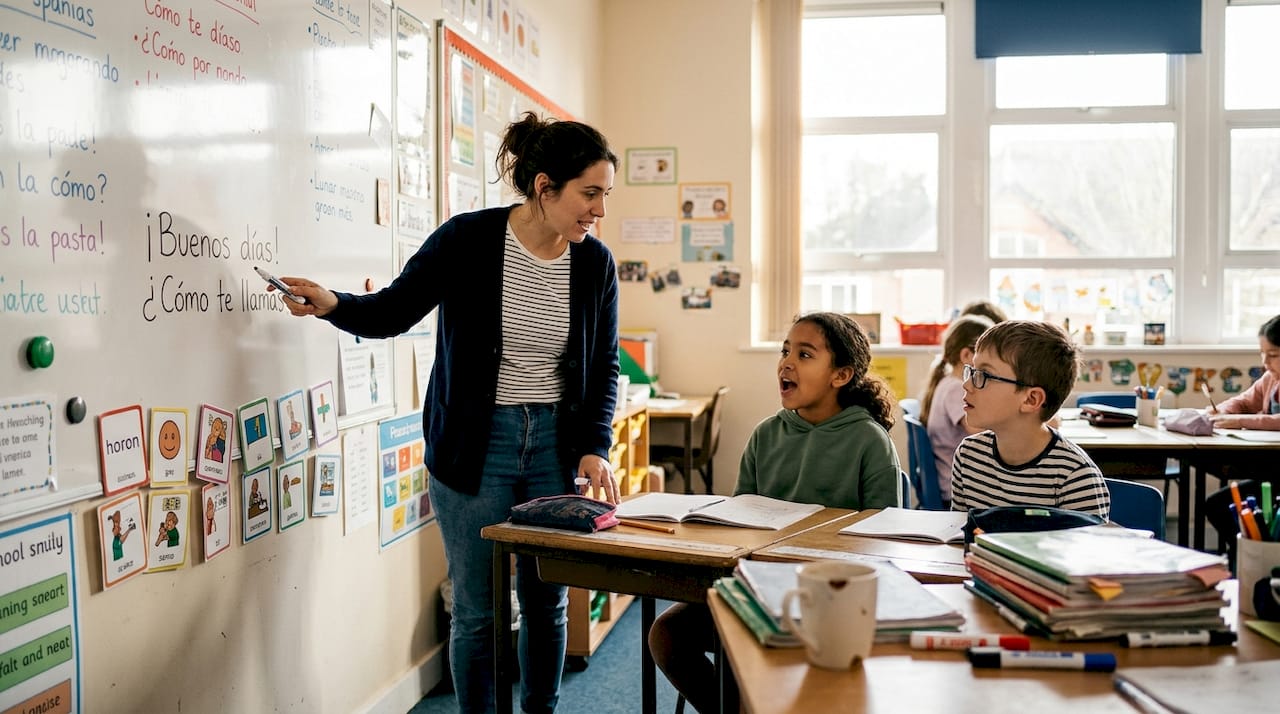
Why native Spanish teachers matter for language learning
Find out why native Spanish teachers boost fluency in Singapore, when non-natives excel, and how to choose the right ins…

How to learn Spanish grammar: techniques for adults
Learn how to master Spanish grammar as an adult in Singapore with proven techniques, structured study plans, and expert…
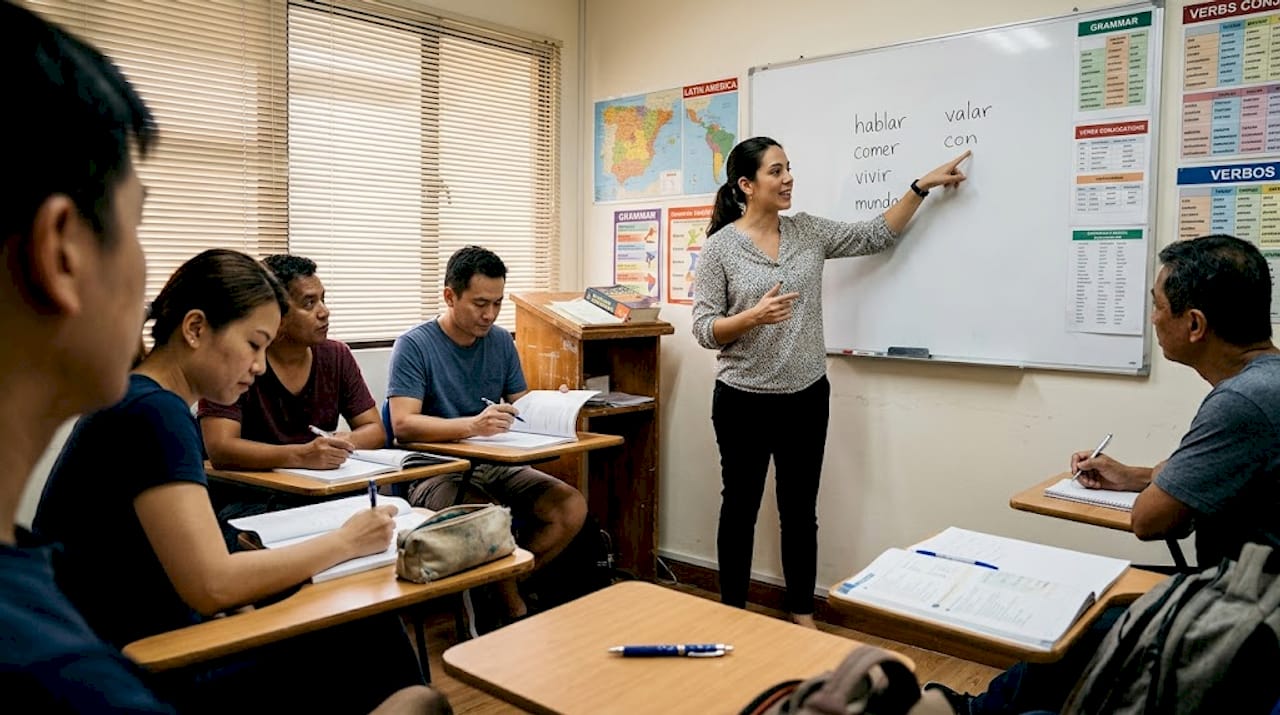
How English enhances Spanish instruction in Singapore
Discover how English integration improves Spanish instruction in Singapore through bilingual strategies, flipped learnin…

Spanish speaking activities: 5 practical ideas for Singapore
Discover 5 effective Spanish speaking activities for learners in Singapore, from information gap games to TBLT strategie…

Spanish language assessment explained: your path to certification
Confused about DELE vs SIELE in Singapore? This guide explains both exams, what examiners assess, and how to prepare eff…

What is a group Spanish class? Benefits and how to choose
Discover what a group Spanish class is, its key benefits, how it compares to private lessons, and what to look for when…

Top 4 Spanish.sg Alternatives 2026
Discover 4 top spanish.sg alternatives for effective language learning. Compare features, benefits, and find the best fi…

Top Spanish speaking practice ideas to boost skills in Singapore
Discover the top Spanish speaking practice ideas for learners in Singapore, from daily routines and AI tools to local me…

Beginner Spanish study plan: step-by-step guide
Follow this beginner Spanish study plan designed for Singapore learners. Get a week-by-week roadmap, schedule tips, and…

Spanish Explorer teaching style: structured path to fluency
Discover how the Spanish Explorer teaching style uses structured, DELE-aligned methods to help Singapore learners achiev…

DELE vs SIELE: Which Spanish Exam Should You Take?
Choosing between DELE vs SIELE affects how your Spanish proficiency is recognised for work, study, or migration. Each ex…
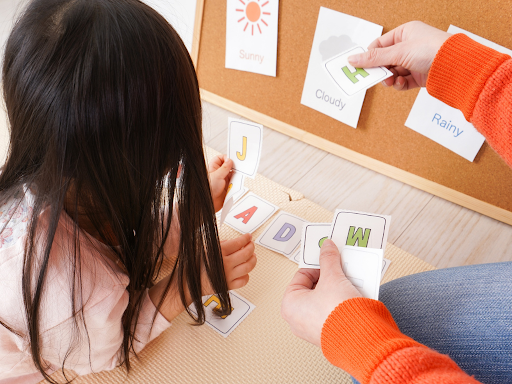
Spanish Vocabulary for Daily Use for Beginners
Learning a new language becomes meaningful only when it works in real life. Spanish vocabulary for daily use focuses on…

Spanish Pronunciation Guide for Beginners: How to Pronounce Spanish Words Correctly
Spanish pronunciation feels “fast” when you first listen to native speakers, but it’s far more regular than English. Thi…

Learn Spanish Timeline: A Realistic Guide for Singapore Learners
Wondering how long does it take to learn Spanish in Singapore? Whether you’re seeking quick conversational skills or lon…

Which DELE Exam Level Should You Take? A Singapore Guide
If you’re serious about learning Spanish in Singapore, the DELE exam (Diplomas de Español como Lengua Extranjera) is one…

Yes in Spanish: 21 Phrases for Every Situation
Learning how to say “yes” in Spanish seems straightforward, but there is far more depth to this simple affirmation than…
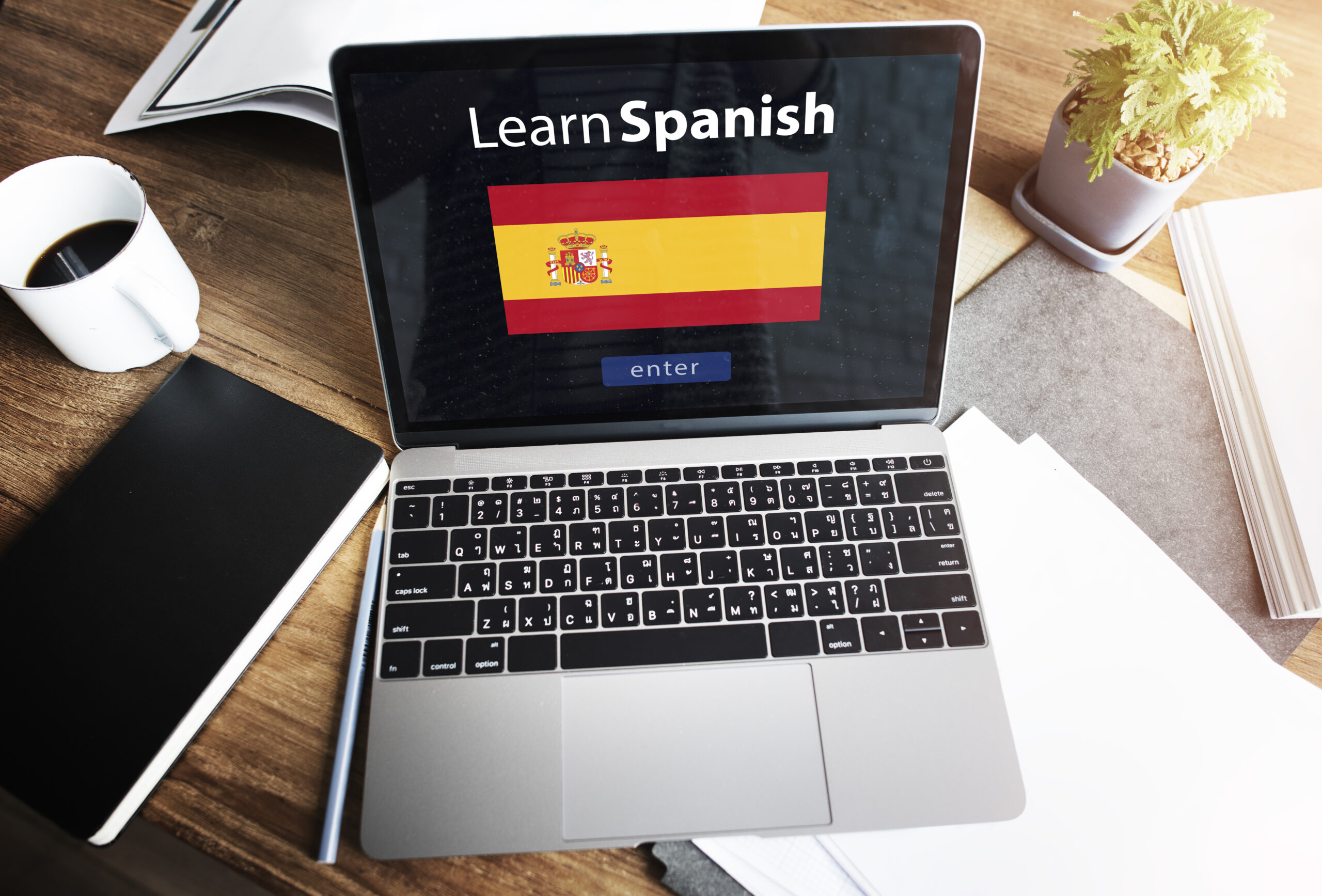
Spanish Alphabet Explained: All 27 Letters with Pronunciation
The Spanish alphabet is the foundation of one of the world’s most widely spoken languages. It’s crucial for reading, wri…
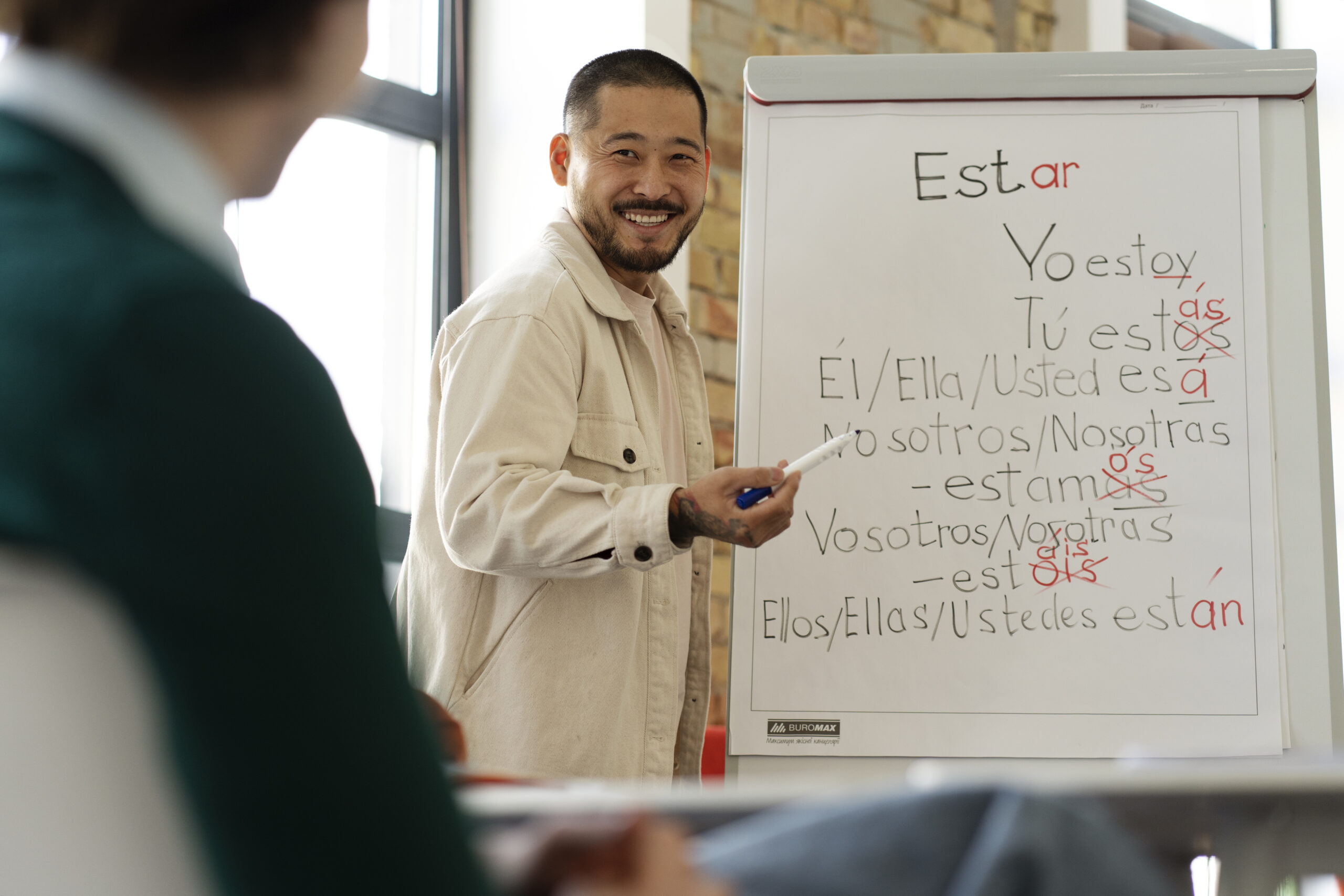
Latin American Spanish or Spain Spanish: A Learner’s Guide
Spanish is one of the most spoken languages in the world, with over 480 million native speakers across more than 20 coun…

I Love You in Spanish: Meaning, Alternatives & Best Responses
Spanish is often called the most romantic language in the world, and for good reason. With its flowing sounds, poetic ex…
How Old Are You in Spanish: Pronunciation, Grammar, & Variations
Learning how to ask and answer “How old are you in Spanish?” is essential for everyday conversations. Spanish uses a dif…
What Are You Doing in Spanish: Translation, Grammar, and Usage
Source Learning how to ask “What are you doing?” in Spanish is essential for everyday conversations. This phrase helps y…

Spanish Numbers: 10 Tips on How to Learn Them Quickly
Learning Spanish numbers is an essential step for anyone beginning their journey with the language. Whether you’re trave…

What Is Your Name in Spanish: How to Say and Respond
Introducing yourself in a new language is one of the most effective ways to build rapport. Learning to ask and answer “W…

How to Say Good Morning in Spanish: 19 Different Ways!
Morning greetings are essential to Spanish-speaking cultures, just as they are in English-speaking countries. Whether tr…

How to Say “When” in Spanish: 26 Common Phrases + Grammar Rules
Learning “when” in Spanish is essential for effective communication, whether planning a trip to Spain or learning the la…
How To Say Hello in Spanish: Pronunciation & 3+ Common Phrases
When learning a language, “greetings” are essential to master as they play a vital role in social interactions across cu…

40+ Ways To Say Thank You in Spanish for All Situations + Audio
Expressing gratitude appropriately can significantly influence your communication skills and cultural understanding when…

How do you say sorry in Spanish: Common, Formality and Idioms
Apologies are a cornerstone of social interaction, facilitating harmony and understanding in relationships. If you are l…

“What” in Spanish: 3 Simple Ways to Say What in Spanish
Do you want to learn conversational Spanish to communicate with native speakers? Well, one of the first things that they…

“Why” in Spanish: 5 Different Ways to Say “Why” in Spanish
Understanding how to express “why” in Spanish is crucial for effective communication and language learning. In Spanish-s…

52 Ways to say How are you in Spanish: Formal and Informal
In the Spanish language, greetings play a fundamental role in establishing connections and social interactions, whether…

Why You Should Learn Spanish: 4 Reasons and Benefits
Have you wondered why many people are interested in learning Spanish? Spanish is known globally as one of the most usefu…

Is Spanish Hard To Learn: A Comprehensive Guide
Learning Spanish words may appear scary, leading many to ask, “Is Spanish hard to learn?” The answer lies in factors lik…

How To Learn Spanish: 10 Effective Ways
If you’re wondering how to learn Spanish or searching for the best way to learn Spanish, you’re in the right place. Lear…

How Long Does It Take To Learn Spanish?
Learning Spanish is an exciting journey, but let’s address the question: “How long does it take to learn Spanish?” The r…
Spanish Class in Singapore: Learn Spanish Language with Spanish Explorer
About us Spanish Explorer is renowned for its exceptional Spanish language courses in Singapore, led by professionally t…
Explore Our Categories
Find the reads that match where you are in your Spanish journey, then take the next step with a course built around your goals.
Grammar & Writing
Practical grammar rules and writing techniques to express your ideas clearly and correctly in Spanish. See our private classes.
Business Spanish
Communication workflows, presentations and programmes for professionals working with Spanish-speaking markets. See our course range.
Career & Certifications
How Spanish proficiency and recognised certifications can advance your career. Prepare with our DELE exam preparation.
Culture & Immersion
The traditions, food and communities that bring the Spanish language to life and speed up your learning. Meet our teachers.
Vocabulary & Fluency
Theme-based vocabulary and common mistakes to avoid so you sound natural in conversation. Learn from home with an online class.
Teaching & Learning
What good teaching looks like and how multilingual instructors help you learn faster. See what our students say.
Ready to Put Theory into Practice?
Reading is a great start. Learning with a professionally trained native speaker is where real progress happens. Book a trial class and see the difference.
Book a Trial Class