 Spanish
The next DELE sessions candidates in Singapore can register for occur throughout 2026 on various dates, including sessions in February, April, May, October, and November. If you’re planning around the upcoming window, pay attention to registration deadlines which are typically a few weeks before the exam dates. Confirm and register through the Instituto Cervantes DELE calendar and the local exam center, Centre for Language Studies at NUS.
A few things to keep in mind before you lock in a date:
- Registration deadlines are enforced strictly and seats are limited, so late applicants typically wait for the next cycle.
- Sessions usually split into two parts: oral exams on Friday, written exams on Saturday.
- Not every level runs on every date. Some sessions cover the full range from A1 to C2, others are narrower.
Registration for the 2026 DELE cycle typically opens months before the first exam session each year, so the registration window may already be open depending on the current date.
Key Takeaways
Singapore candidates should register by April 8, 2026 for the May 22-23 session and confirm every detail through the official Instituto Cervantes calendar and the local exam center.
| Point | Details |
|---|---|
| Next key deadline | Register by April 8, 2026 to sit the May 22-23 session, the most requested slot of the year. |
| Two day exam structure | Oral exams run Friday, written exams run Saturday, so block the full weekend, not just one day. |
| Levels vary by session | April, May, and October usually offer all levels; February and November often narrow to A2 only. |
| Fees are set locally | Confirm Singapore-specific pricing directly with the local exam center rather than another country’s fee page. |
| Local prep support | Spanish Explorer offers group, private, and online Zoom classes aligned to CEFR descriptors ahead of each session. |
Table of Contents
- DELE Exam Dates Singapore: The Full 2026 Schedule
- How Are DELE Sessions Scheduled, and What Does That Mean for You?
- How to Register for DELE From Singapore, Step by Step
- Fees, Payment Deadlines, and Results Timing
- Preparing for the DELE in Singapore: A Realistic Timeline
- What to Bring on DELE Exam Day
- What Spanish Explorer Sees Most Candidates Get Wrong
- Ready to Start Your DELE Preparation?
- Sources
- FAQ
DELE Exam Dates Singapore: The Full 2026 Schedule
Here’s the complete breakdown of official 2026 sessions relevant to candidates registering from Singapore, along with the registration cutoff for each one. These dates come from the Instituto Cervantes’ official calendar, and the same schedule is echoed on university exam pages, including UPV’s ACDL center, which lists identical exam and deadline rows for its own candidates.
| Session Date | Registration Deadline | Levels Typically Offered |
|---|---|---|
| February | Early in the year before the exam | Typically limited levels, such as A2 or nearby levels |
| April | Well before the exam | Usually broad coverage from beginner to advanced levels |
| May | Prior to the session, with registration deadlines some weeks ahead | Typically offers the full range of levels |
| October | Weeks before the session | Generally full level availability |
| November | Before the session | Often narrower level availability, frequently focusing on elementary levels |
The May and October sessions tend to carry the widest level availability, which is why they fill up fastest at smaller exam centers. February and November sessions run leaner, sometimes restricted to A2 or specific age groups, so double check the level you want is actually on offer before you plan your study schedule around it.
The deadline that matters most right now: April 8 for the May 22-23 session. Miss that date and your next shot is October.
How Are DELE Sessions Scheduled, and What Does That Mean for You?
Every DELE session follows a two-day rhythm: the oral component runs on Friday, the written component on Saturday. This pattern holds across university-run centers and Instituto Cervantes venues alike, so if you’re booking flights, arranging leave from work, or coordinating childcare, that Friday-Saturday block needs to stay clear, not just the Saturday.
Level availability is the other piece people miss. A1 through C2 usually all run at the big sessions (April, May, October), but smaller sessions like February or November sometimes narrow down to just one or two levels, often A2. If you’re aiming for B2 or C1 and the session you had circled only offers A2 that cycle, you’ve wasted a planning cycle. Always check the level column before the date column.
Pro Tip: Block out the entire Friday-Saturday weekend on your calendar the moment you register, not just the day your specific test falls on. Oral slots get assigned within that window and centers don’t always tell you which day until closer to the exam.
How to Register for DELE From Singapore, Step by Step
Registering isn’t complicated, but the order matters. Here’s the sequence:
- Confirm the session and level on the official DELE calendar. Don’t assume your preferred level is running just because the date fits your schedule.
- Check local seat availability through the Centre for Language Studies at NUS, the reference exam center for Singapore candidates. Contact them directly to confirm they’re accepting registrations for your chosen session.
- Complete the registration form, either through the official online portal or the center’s own process, then pay the fee as instructed. Save your admission ticket or confirmation the moment it’s issued.
- Hold onto your registration proof. Note your oral and written slot times as soon as they’re released, and flag any special arrangements with the center well before the deadline, not the week of the exam.
If you’re still deciding which level actually fits your current Spanish, it’s worth reviewing how to choose the right DELE level before you commit to a registration fee you can’t get back.
Fees, Payment Deadlines, and Results Timing
Exam fees are set locally, not globally. Instituto Cervantes centers publish their own fee tables by country, so the price you’d pay in Singapore differs from what’s listed on a Delhi or Manila center page. Confirm the current Singapore rate directly with the exam center rather than trusting a number from another market.
Payment is generally due by the same deadline as registration. Miss it, and your seat typically isn’t held. Results release timelines and cancellation policies also vary by center, and cancellation past the deadline is usually non-refundable, so treat the registration date as the real point of no return, not a soft suggestion.
Preparing for the DELE in Singapore: A Realistic Timeline
Give yourself three to six months for A2 or B1, and six to twelve months for B2 or C1, depending on where your Spanish stands today. That range isn’t arbitrary. It reflects how much speaking and writing practice each level demands under timed conditions, which is different from casual conversational fluency.
Your preparation options in Singapore break down a few ways:
- Group classes for structured, paced progress with peers working toward the same level.
- Private lessons if you need to target specific weak spots, like oral fluency or timed writing tasks.
- Live online classes over Zoom for candidates who want structured teaching without commuting.
- Mock exam sessions timed to run four to six weeks before your actual test date, which is often when timing issues and oral gaps surface most clearly.
Spanish Explorer’s course structure aligns with DELE and CEFR descriptors, so lessons map directly onto the skills each level actually tests rather than generic conversation practice. Beyond classes, work through past papers, practice oral responses out loud against a clock, and use the official level descriptors to spot exactly which skill is dragging your score down. For a broader look at how course formats support exam goals, see this overview of Spanish class options in Singapore.
What to Bring on DELE Exam Day
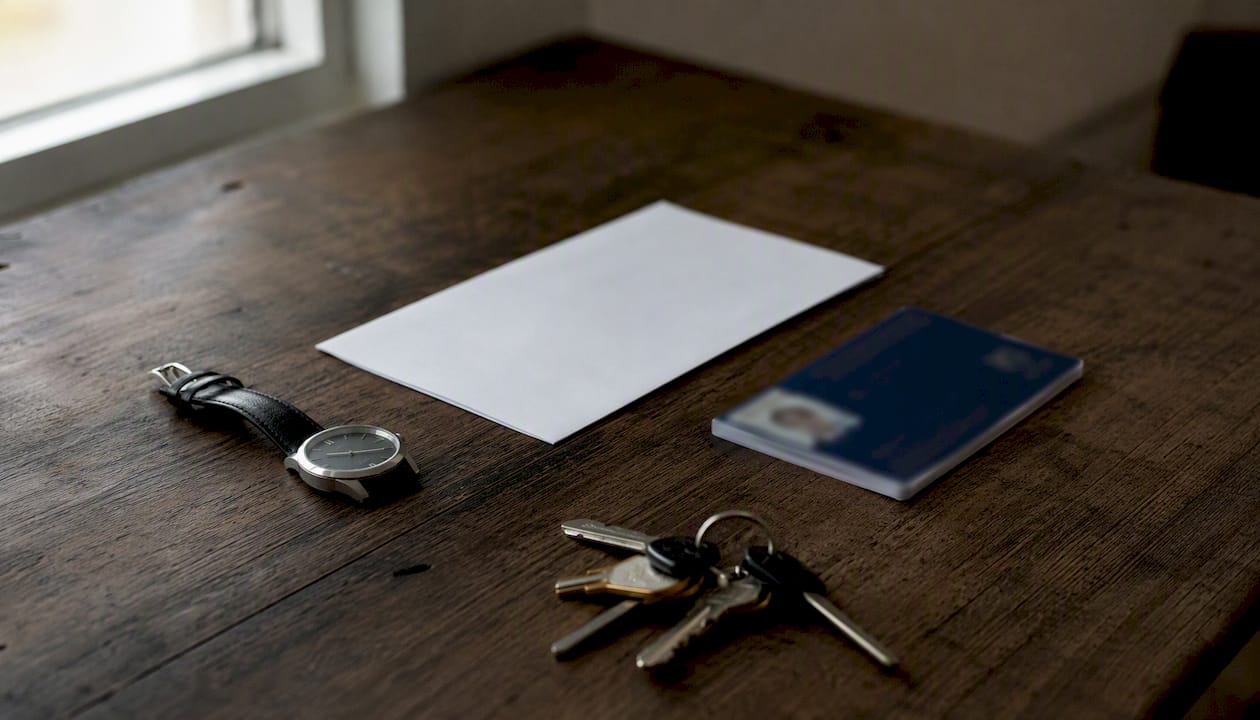
Bring valid photo ID (passport or NRIC, depending on what the center specifies) and a printed copy of your admission confirmation. Arrive early. Centers run security and check-in procedures before both the oral and written sessions, and being late to the oral slot on Friday can cost you the whole session, not just that component.
Since oral and written portions fall on separate days within the same weekend, don’t assume one confirmation covers both. If you need accessibility accommodations, raise them with the local exam center before the registration deadline, not on exam morning. Centers need lead time to arrange anything non-standard.
What Spanish Explorer Sees Most Candidates Get Wrong
Most candidates who stumble on the DELE didn’t fail because their Spanish wasn’t good enough. They registered too late for their preferred session, or they never practiced writing under a strict clock until the actual exam. Mock exams close that gap fastest. Structured group or private practice in the months before your date matters more than last minute cramming.
Ready to Start Your DELE Preparation?
If you’ve got your session picked and your deadline circled, the next question is whether your current study routine actually matches what the exam tests. A lot of self-study plans focus on vocabulary and grammar drills, but DELE scoring leans heavily on timed writing tasks and oral fluency under pressure, the two areas that are hardest to practice alone.

Spanish Explorer runs group classes, private lessons, and live online Zoom sessions built around the same CEFR descriptors the DELE uses to grade candidates, so your prep time goes toward what the exam actually measures. Corporate learners and working professionals often choose the Zoom format specifically because it fits around a job without cutting into commute time. Classes run out of our center at 10 Anson Road, Level 22, International Plaza, right above Tanjong Pagar MRT, with private and online formats available if getting there isn’t practical.
If your target date is the May or October session, now is the point to start structured practice, not two weeks before. Browse Spanish course options or check the private class format to book a placement conversation and get a realistic read on how much runway you actually have before your chosen exam date.
Sources
Always verify your session and deadline directly on the Instituto Cervantes DELE calendar or the DELE official dates page before paying any fee.
- Cuándo es el DELE | Exámenes – Instituto Cervantes
- DELE Exam Dates 2026 – Get your DELE certification
- DELE Spanish Exams | ACDL | UPV
- Exam dates and fees – 2026
FAQ
When Is the Next DELE Exam for Singapore Candidates?
The next major session is May 22-23, 2026, with registration closing April 8, 2026. Smaller sessions also run in February, April, October, and November.
Where Do I Register for the DELE in Singapore?
Confirm your session on the official Instituto Cervantes calendar, then register through the Centre for Language Studies at NUS, the local exam center for Singapore.
Does Every DELE Session Offer All Levels?
No. April, May, and October sessions typically offer the full range from A1 to C2, while February and November sessions are often limited to A2 or select levels only.
Are the Oral and Written Exams on the Same Day?
No. The oral component runs on Friday and the written component on Saturday, within the same session weekend.
How Long Should I Prepare Before Sitting the DELE?
Plan for three to six months for A2 or B1, and six to twelve months for B2 or C1, depending on your starting level. Spanish Explorer’s group, private, and online classes can be scheduled around either timeline.
Recommended
Start Learning Spanish Today
Book a trial class and see how quickly you can progress with a professionally trained native-speaker teacher guiding the way.
Book a Trial Class